The UAE Has More Camping Terrain Than Most People Realise
From the red dunes of Al Qudra and the mountains of Hatta to the coastal flats of Khor Al Adaid and the high-altitude camp sites at Jebel Jais, the UAE offers genuinely diverse camping terrain across a short drive from any major city. But each location has different weather, ground conditions, and wind exposure — and choosing the wrong shelter for the site is the most common reason UAE camping trips go wrong. This guide matches the right tent and shade setup to six of the UAE's best camping destinations.
Al Qudra Lake, Dubai — Desert Dune Camping
Al Qudra is the default first camping destination for Dubai-based families. The terrain is fine, loose sand with open flat ground, minimal natural windbreak, and full sun exposure from sunrise to sunset. Temperatures range from 10°C on clear January nights to 42°C on September afternoons — though most camping happens between October and April.
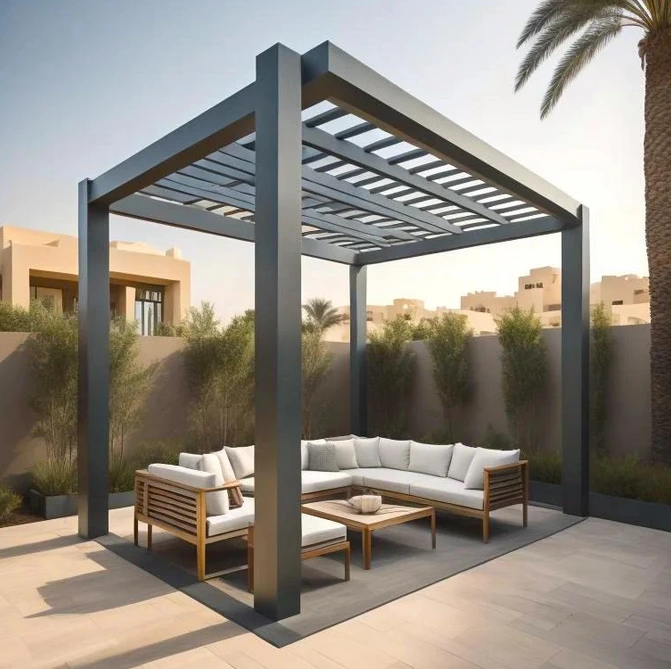
Best shelter: A double-walled canvas tent with a separate footprint provides the best insulation against cold nights and the early-morning desert chill. For daytime use, a shade canopy (4 × 4 m minimum) set on screw-auger stakes — not straight pegs, which pull free in fine sand — creates a gathering area without the heat of an enclosed tent. HDPE shade fabric at 90% UV block is the right canopy material for this site.
Hatta, Dubai — Mountain Valley Camping
Hatta sits in the foothills of the Hajar Mountains, around 130 km from Dubai city. Night temperatures drop below 5°C in January and February. The ground is compacted gravel and rock — stakes must be rock-rated or the tent will shift overnight. Strong gusts channel through the mountain valleys unpredictably.
Best shelter: A geodesic or tunnel-design tent with a full inner lining rated to at least 3 seasons handles Hatta conditions. Steel rock pegs or anchor-weight bags replace standard aluminium pegs. A compact dining canopy with weighted base poles is more practical here than a staked shade — the rocky ground makes deep stake driving difficult without a hammer drill.
Jebel Jais, Ras Al Khaimah — High Altitude Camping
At 1,934 m, Jebel Jais is the UAE's highest peak. Designated camping areas exist at altitude, where temperatures can drop below 0°C in December and January. Mist and occasional light rain are normal. Wind speeds at altitude can exceed 40 km/h on exposed ridges.
Best shelter: A 4-season mountain tent with taped seams and a full-coverage fly is essential. Standard festival-style or family dome tents are not suited for Jebel Jais conditions. A supplementary cooking canopy or windbreak is useful; shade against the sun is rarely needed at this altitude in winter.
Wadi Shawka and Wadi Bih, Ras Al Khaimah — Wadi Canyon Camping
Wadi camping in Ras Al Khaimah offers dramatic scenery in canyon terrain. Ground is rocky riverbed — camping on smooth boulders and gravel flats requires freestanding tents or weighted base alternatives to pegged shelters. Flash flooding risk is real in winter; always camp well above the wadi floor on elevated ground.
Best shelter: A freestanding dome tent (no pegs required for structure) and a weighted-base canopy. Avoid large shade sails or expansive canopies in wadis — canyon wind gusts can overturn them without warning.
Liwa Oasis, Abu Dhabi — Deep Desert Camping
Liwa in the Empty Quarter offers the most remote and visually dramatic desert camping in the UAE. The dunes here reach 150 m — the tallest in the UAE. Ground is extremely fine sand with almost no surface cohesion. Temperatures in winter (November–March) are ideal but sand movement during shamal periods can be fierce.
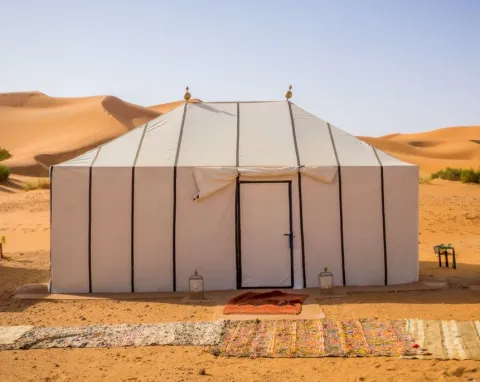
Best shelter: A Bedouin-style tent with a low ridge profile handles shamal conditions far better than a vertical-walled tent, which acts as a sail in open desert wind. Screw-auger stakes extended to 400 mm depth are the minimum for fine dune sand. Carry extra guy lines and stakes — desert conditions can double the guy point requirement of a standard tent specification.
Khor Kalba and East Coast Beaches, Fujairah
Beach camping on the Gulf of Oman coast means humidity, salt air, and a moderate onshore breeze most evenings. The sand is firmer than inland desert sites and standard tent pegs hold reasonably well. The main shelter challenge here is daytime heat and UV — even in February, the East Coast sun is strong.
Best shelter: A beach shelter or sun canopy with good UV rating for daytime use, and a breathable mesh-inner tent for sleeping to manage humidity. Avoid sealed polyester tents for beach camping — condensation inside is severe in humid coastal air.
Arab Muzalat: Tents and Shade Canopies for UAE Camping
Arab Muzalat supplies traditional Bedouin-style tents, HDPE shade canopies, and event canvas structures for UAE camping trips across all the locations above. Whether you need a single family shade for Al Qudra or a multi-section Bedouin camp for a Liwa desert experience, contact us to discuss your trip setup.