The Arisha: A UAE Outdoor Tradition Worth Building Properly
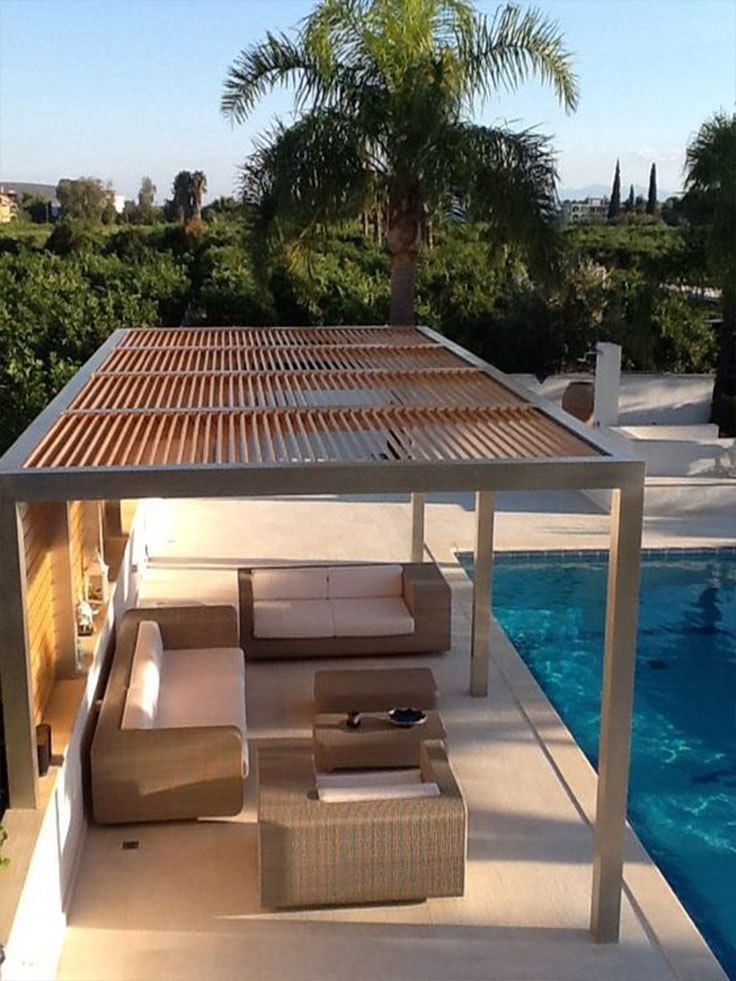
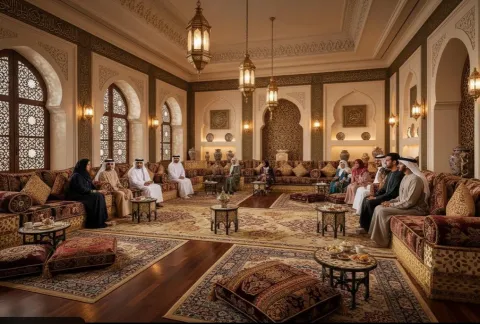
The arisha (عريشة) is the traditional Gulf shade structure — an open timber or bamboo frame with a slatted or woven overhead cover that creates filtered shade, airflow, and an outdoor sitting area that feels genuinely different from being under a sealed canopy. Before modern aluminium pergolas arrived in the UAE, the arisha was how families created outdoor living space on villa plots, farm courtyards, and rooftop terraces. That tradition is returning — partly for aesthetics, partly because the arisha genuinely works better than most modern alternatives for natural ventilation in UAE conditions.
What Makes an Arisha Different from a Pergola
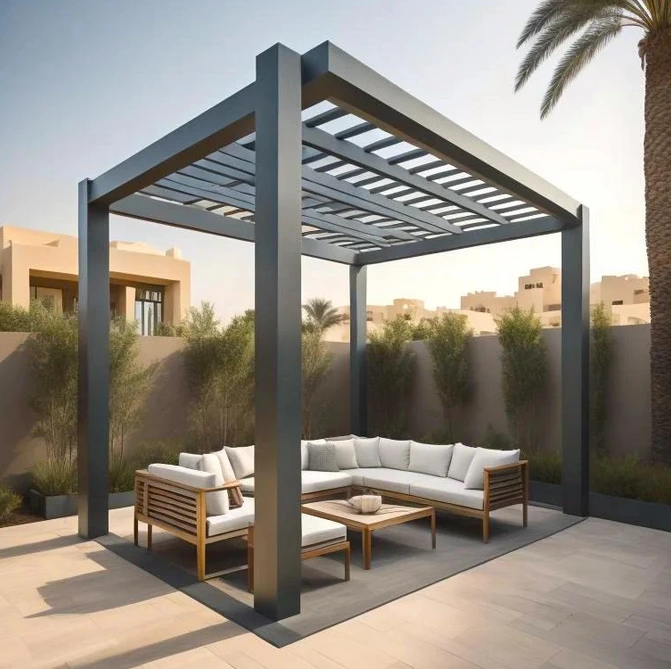
The terms are used interchangeably in the UAE market, but there is a meaningful distinction. A pergola is a Western garden structure — typically a purely decorative frame for climbing plants. An arisha is a functional shade structure first: the overhead cover is sized and spaced deliberately to maximise shade during the hottest hours while maintaining airflow, and the structure is built to create a usable outdoor room rather than a decorative arch. In practice, the arisha typically has:
- Closer-spaced overhead slats than a decorative pergola — 15–25 cm gaps for good shade, versus 40–60 cm gaps on a purely decorative pergola.
- A lower ridge line (2.2–2.5 m) to keep the shaded zone compact and cooler.
- Side treatment: partial or full bamboo reed screens, climbing plants, or fabric side panels on the prevailing sun side.
Wood and Material Options for UAE Conditions
The material choice for an arisha in the UAE is not primarily aesthetic — it is durability under 50 °C heat, 90% coastal humidity, and UV radiation that fades untreated wood within one summer.
Teak (الساج): The benchmark hardwood for UAE outdoor structures. Natural teak oils repel moisture and resist UV degradation without annual treatment. A properly built teak arisha in the UAE lasts 15–20 years with minimal maintenance. The cost is higher than other options but the total cost of ownership over a decade is lower than cheaper woods that require replacement after 3–5 years.
Iroko: A West African hardwood with similar density and natural oil content to teak, at approximately 30% lower cost. Performs well in UAE coastal conditions and takes stain and oil finishes easily. A practical alternative to teak for clients who want hardwood durability at a lower entry price.
Pressure-treated pine and engineered timber: The most affordable framing option. Must be treated with a UV-stable exterior oil or stain every 12–18 months in UAE conditions, or it will crack and grey within two seasons. Suitable for clients who understand the maintenance commitment and want a lower initial cost.
Bamboo: The most traditional arisha material in the Gulf. Bamboo is naturally hollow and provides excellent insulation — the air trapped inside each culm acts as a thermal buffer. However, untreated bamboo in UAE coastal conditions develops surface cracking within 18 months. Arab Muzalat treats structural bamboo with a penetrating sealant and UV inhibitor before installation, which extends the service life to 5–7 years before replacement is needed. For purely aesthetic or seasonal arisha applications, bamboo is the most affordable option with the most authentic look.
Galvanised steel or aluminium with timber cladding: A hybrid approach — a galvanised steel structural frame (post and beam) with timber or bamboo cladding for the visible surfaces. The steel provides structural integrity through UAE weather cycles; the timber provides the aesthetic. This is the most durable arisha system Arab Muzalat installs for clients who want the traditional look with a 20+ year service life.
Construction: Post Setting and Beam Sizing
An arisha built to last in the UAE requires proper structural foundations — not just posts knocked into soft garden soil:
- Post footings: For timber posts in sandy soil — the predominant ground condition across Dubai and Abu Dhabi villa gardens — concrete footings at minimum 500 mm depth and 250 mm diameter are required. Posts set directly in the ground without concrete rot at the soil line within 3–5 UAE summers regardless of wood species.
- Post sizing: 100 × 100 mm minimum cross-section for a residential arisha up to 4 m span. For spans above 4 m, 150 × 150 mm posts and a continuous beam rather than individual post-to-rafter connections.
- Beam sizing: A 100 × 200 mm beam for spans up to 3.5 m; 100 × 300 mm for spans up to 5 m. Under-sizing the beam is the most common structural error on residential arisha builds in the UAE — the sag develops slowly and is not obvious until the structure is a few years old.
- Rafter and slat spacing: Rafters at 600 mm centres; overhead slats at 150–200 mm centres for a traditional shade ratio of approximately 60–70% coverage.
UV and Finish Treatments for UAE Conditions
Every timber arisha in the UAE needs a UV-stable exterior finish applied before installation and maintained annually:
- Penetrating oil (teak oil, linseed oil blend): Feeds the wood and repels moisture without forming a surface film that peels. Best for teak and iroko. Apply annually at the end of summer before the cooler months.
- UV-stable exterior stain or paint: Forms a protective film over the surface. Requires re-coating every 2–3 years in UAE UV conditions. Best for treated pine and engineered timber where a solid colour finish is preferred over the natural wood grain.
- Bamboo sealant: Penetrating silicone-based sealant applied to all external surfaces and cut ends. Critical at the cut ends where moisture ingress causes the internal splitting that destroys bamboo culms in UAE humidity.
Get an Arisha Built for Your Home
Arab Muzalat designs and builds traditional wooden arisha structures for UAE homes across Dubai, Abu Dhabi, Sharjah, Ajman, Ras Al Khaimah, and Fujairah. Contact us with your garden dimensions and preferred material to get a site visit and fixed-price quote.