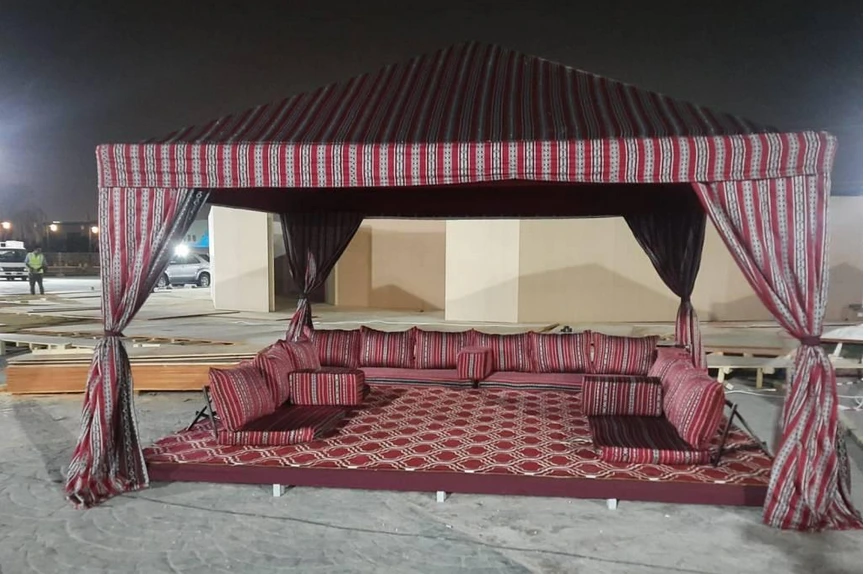

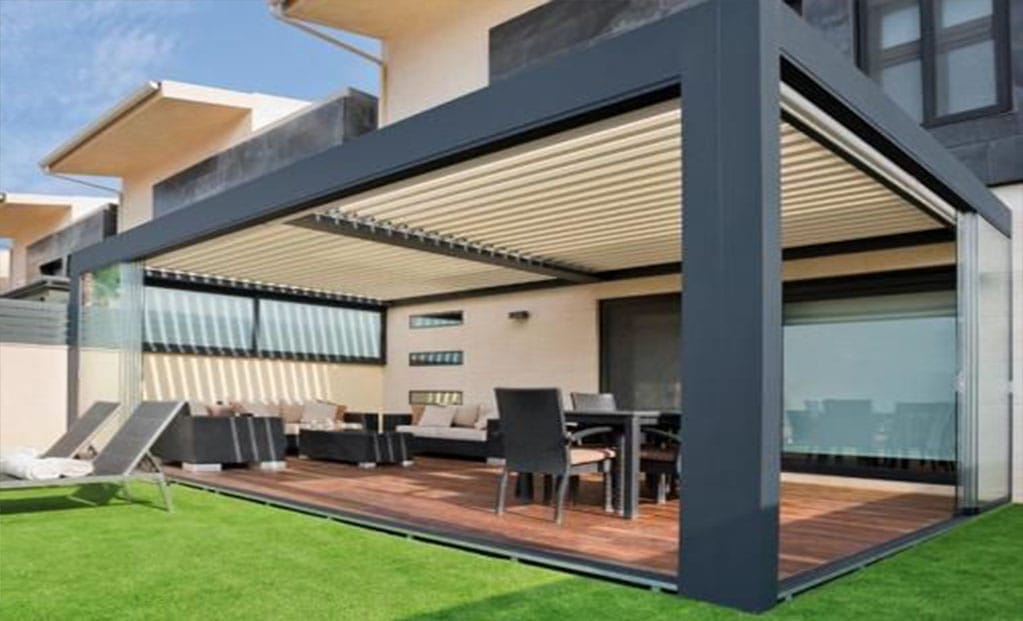
Pergola installation transforms an unused outdoor area into a functional living space. In the UAE, the months from October to April offer near-perfect outdoor weather — and a well-designed pergola extends that season by providing shade during the transition months on either side. In summer, the right canopy material keeps the space under the structure usable even when temperatures climb.
But pergola installation is a decision worth researching. The wrong structure, wrong material, or poor installation turns an investment into a liability. This guide gives you a complete picture before you commit.
What Is a Pergola? (And How It Differs From a Shade or Awning)
A pergola is a freestanding or attached outdoor structure with vertical posts, horizontal beams, and — depending on the design — a partially open or fully covered roof. Unlike a simple awning (which extends from a wall and provides cover directly below), a pergola defines a distinct outdoor room.
In the UAE and Gulf context, the Arabic term عريشة (arisha) typically refers to this type of structure — a dedicated outdoor sitting area with a frame that can be covered with fabric, plants, wood slats, or panels.
The distinction matters because the structural requirements, cost, and design options for a pergola differ substantially from a simple canopy or shade sail. This guide focuses specifically on home pergola installation.
Types of Pergolas for Homes in the UAE
Timber pergola: The classic choice. Warm, natural, and well-suited to traditional and contemporary Gulf aesthetics. Uses hardwood or pressure-treated lumber. Requires periodic maintenance — annual or biennial treatment with UV-protective oil or paint prevents cracking and greying in the UAE heat. With proper upkeep, a quality timber pergola lasts 15–20 years.
Aluminium pergola: Lightweight, rust-proof, and low-maintenance. Available in powder-coated colours that hold well under UV exposure. Aluminium structures typically outlast timber without the maintenance burden. The preferred material for rooftop installations due to lower structural load.
Steel-framed pergola with fabric canopy: A cost-effective option where the galvanised or powder-coated frame supports a stretched fabric canopy. The canopy can be replaced independently of the frame if damaged or faded, which extends the practical life of the installation. Good for customisable shade levels using different fabric grades.
Polycarbonate panel pergola: Translucent or tinted panels provide protection from rain and UV while admitting natural light. The best choice when a fully weatherproof structure is needed — for outdoor kitchens, poolside lounging areas, or year-round entertaining spaces.
Hybrid timber-metal pergola: A steel or aluminium structural frame with timber cladding, beams, or decorative elements. Delivers the visual warmth of wood with the structural reliability of metal. Common in high-end residential projects.
Where Can a Pergola Be Installed at Home in the UAE?
Each location has different technical requirements and design considerations.
Garden or backyard: The most common installation. A ground-anchored pergola with concrete footings provides maximum stability. Privacy screens or climbing plants can be added on the sides. No structural concerns beyond soil conditions.
Rooftop: Rooftop pergolas are popular in apartments and mid-rise villas. They require a structural load assessment before installation and a fastening system that does not compromise the roof membrane. The reward is elevated views and better air circulation compared to ground-level gardens.
Front entrance or pathway: A smaller pergola covering the main entrance creates a strong visual identity and practical shade for arrivals. Wall-mounted or two-column designs work well in this context.
Terrace or balcony: Pergolas adapted for balconies use wall-anchoring systems rather than ground posts. Check whether your balcony slab load rating supports the structure before proceeding.
Poolside: Materials for poolside pergolas must withstand chlorine exposure and higher humidity. Aluminium and polycarbonate outperform timber in this environment and require far less maintenance.
What Determines the Cost of Pergola Installation in UAE?
Cost varies significantly based on several factors that only become clear after a site visit. Be cautious of contractors quoting by phone without inspection — they cannot account for access, soil conditions, or structural requirements.
Size: Priced primarily by square metre. A modest 4×3 m sitting area costs substantially less than a 6×8 m entertaining space. Price per square metre often decreases as total area increases.
Material: Pressure-treated timber is the most affordable structural material; hardwood and aluminium cost more upfront; stainless steel and composite materials cost the most. The canopy material — HDPE fabric, PVC, fibreglass, polycarbonate — follows a similar cost gradient.
Design complexity: A rectangular structure with a flat or pitched roof is less labour-intensive than an arched design with carved elements, custom finishes, or multi-level rooflines. Complexity is the single largest variable after size.
Add-ons: Integrated LED strip or point lighting, ceiling fans, side privacy curtains, built-in planters, irrigation systems for climbing plants, and custom flooring all carry separate costs. Decide which are essential before comparing quotes — otherwise you cannot compare like with like.
Installation conditions: Rooftop access requiring a crane, confined entry points, or sites far from main urban areas can add meaningfully to labour and equipment costs.
Choosing the Right Contractor for Your Pergola
A poorly constructed pergola is a safety problem. Undersized posts, shallow concrete foundations, or inadequate roof-to-frame connections can result in structural failure during strong winds — a real concern in coastal UAE locations that experience shamal wind events.
When evaluating contractors, prioritise: a verified project portfolio with photographs of similar installations, an on-site engineer who assesses your specific location before quoting, a written warranty covering both structure and workmanship, and clear documentation of the materials used — timber grade, steel wall thickness, fabric UV rating.
Avoid contractors who quote without visiting, cannot provide references or past project examples, or offer vague warranty terms. The cheapest quote almost always reflects compromises in material quality or foundation depth — savings you will pay for later.
Pergola Installation: Step by Step
Step 1 — Site survey and design: An engineer visits your property, measures the target area, assesses wind exposure and load constraints (especially for rooftops and balconies), and proposes a design aligned with your budget and aesthetics. You receive a scaled layout and itemised quotation.
Step 2 — Foundation work: For ground-level installations, column positions are excavated and concrete footings poured and left to cure (24–72 hours depending on column load). For rooftop or wall-mounted designs, appropriate anchoring systems are used without compromising existing structure.
Step 3 — Frame and canopy assembly: Columns are erected, beams and rafters are fitted, then the canopy — whether fabric, panel, or timber slats — is installed. Lighting, fans, or curtain rails are integrated at this stage if included in the scope.
Step 4 — Inspection and handover: Final checks on structural stability, canopy tension, drainage, and site cleanliness. The client signs off and the warranty period begins.
Frequently Asked Questions About Home Pergola Installation in UAE
Do I need a permit to install a pergola at my home in the UAE?
Lightweight structures installed within private residential boundaries typically do not require a permit in most UAE emirates. Larger pergolas, rooftop structures, or installations that extend to property boundaries may require local municipality approval. A reputable contractor will advise you on the requirements specific to your emirate and location before work begins.
How long does a timber pergola last in the UAE climate?
A quality hardwood or pressure-treated timber pergola, properly sealed with UV-protective oil or paint annually, typically lasts 15–20 years in the UAE. Without regular treatment, surface cracking appears within 2–4 years due to UV exposure and temperature cycling. If ongoing maintenance is not practical for you, an aluminium structure is the more cost-effective long-term choice.
Can a pergola be installed on an apartment rooftop in the UAE?
Yes, provided you have confirmed rights to use the rooftop space and a structural engineer has assessed the slab load capacity. Rooftop pergolas are designed with lighter materials and different anchoring systems than ground-level structures. Aluminium frames and lightweight canopy materials are standard for these applications.
Which is better for a UAE home: timber or aluminium pergola?
Timber provides warmth, character, and a natural aesthetic that suits traditional and contemporary Gulf homes equally well — but requires maintenance. Aluminium is more durable, corrosion-resistant, and maintenance-free, making it the practical choice for busy households or poolside environments. The right answer depends on how much maintenance you are willing to manage and which aesthetic you prefer.
Can I add climbing plants to my pergola?
Yes, and it is one of the most effective ways to soften a pergola's appearance naturally. Bougainvillea, jasmine, and rose varieties native to Gulf gardens thrive on pergola frames and can cover the structure within one growing season. If you plan to add plants, inform your contractor — the frame should be designed to carry the additional weight, especially if pots or planter boxes will be mounted on the structure.
How long does pergola installation take for a standard home project?
A typical residential pergola covering 12–24 square metres takes three to five working days including foundation work, frame assembly, and finishing. Larger structures or those with detailed timber carpentry, custom lighting, or complex designs may take a week or more. Your contractor will confirm a schedule after the site survey.
Arab Muzalat: Pergola Design and Installation Across the UAE
Arab Muzalat has designed and installed hundreds of pergolas and outdoor shade structures for UAE homes since 1997 — from compact garden arbours to multi-level villa entertaining areas. We work across Dubai, Abu Dhabi, Sharjah, Ajman, and all Northern Emirates.
We offer timber, aluminium, steel-frame, polycarbonate, and hybrid pergola systems — all custom-designed to your space, preferences, and budget. Every project includes a free site survey and comes with a documented warranty.
Call us today for your free site assessment and no-obligation quote:
+971 54 764 2570